
Lymphatic drainage and regular massage differ in pressure, direction, training and purpose. Learn which is best for your goals and current ailments.
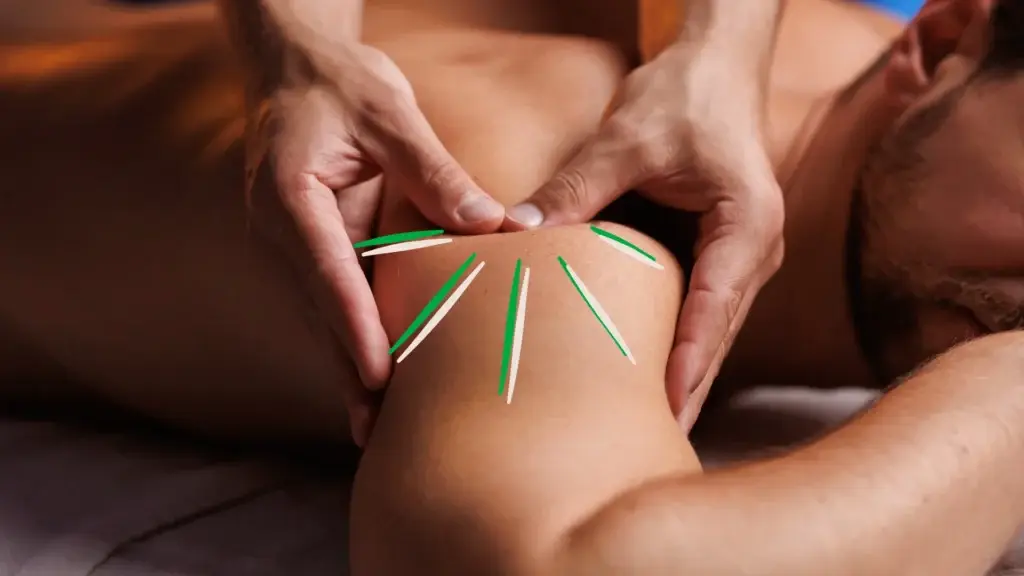
Both happen on a massage table and both leave you feeling lighter. That is roughly where the similarity between lymphatic drainage and a regular massage ends. One works the muscles; the other works the fluid system just beneath your skin. Book the wrong one and you pay for a session that does not do what you need.
Table of Contents
A look at the high level differences
A regular therapeutic massage (Swedish, deep tissue, sports) uses moderate-to-firm pressure on muscle and fascia to relieve tension, improve mobility and reduce pain. Lymphatic drainage uses very light, slow, rhythmic skin-stretching strokes, always directed toward the lymph nodes, to move excess fluid out of the tissues. Different targets, different pressures, different outcomes.
Why the lymphatic system needs a different touch
Your lymphatic system collects fluid, proteins, waste and immune cells from the tissues and returns them to the bloodstream. Unlike blood, lymph has no heart pushing it along. It moves through the intrinsic pulsing of the collecting vessels plus outside forces: muscle contraction, joint movement, breathing and external compression, as described in this review of lymphatic vessel structure and physiology. Estimates of daily lymph flow range from about 1 to 4 litres in some sources to far higher in others, depending on how it is measured. The vessels that matter for hands-on work are the initial lymphatics in the dermis, just beneath the skin surface, which is why MLD schools use light skin traction rather than deep compression to help these vessels fill and empty.
Lymphatic drainage vs regular massage: the key differences
1. Pressure
The Vodder school describes the pressure as very light, stretching the skin rather than compressing the tissue beneath it. Deep-tissue work sits at the opposite end of the scale: a study measuring physiotherapists performing deep friction massage recorded a mean applied pressure of about 2.3 kg per square centimetre. If your lymphatic session feels like a “real” massage, it is probably not reaching the lymphatics.
2. Direction and sequence
A regular massage follows the muscle: along the fibres, into trigger points, wherever the tension lives. Lymphatic drainage follows the drainage map. A trained therapist clears the central nodes first (neck, armpits and, with consent, groin), then works from the swollen area toward those nodes, as Cleveland Clinic describes.
3. Rhythm and pace
Vodder strokes (stationary circles, pumps, rotary and scoop techniques) are repeated slowly and rhythmically, each stretch held for a few seconds with a full release between. Swedish effleurage and petrissage are continuous and gliding; deep-tissue work is sustained and often static.
4. What it is for
Regular massage targets muscular pain, stiffness, postural strain, athletic recovery and stress. Lymphatic work targets fluid: post-operative swelling, lymphedema, puffiness and water retention.
5. Training
Manual lymph drainage is taught through dedicated training programs from schools such as Vodder, Földi, Leduc and Casley-Smith, and the Chikly Health Institute offers its own certification. At Vitality BioMed, Helen Husak, RMT, RCST is certified in both Vodder and Chikly lymphatic drainage and specializes in oncology massage, and Denise Doehren, BSc, RMT holds advanced certification in three levels of Lymph Drainage Therapy through the Chikly Health Institute alongside a 3,000-hour advanced clinical massage diploma. Ask what certification your therapist holds.
What the evidence says
The research is mixed, and you deserve to hear it that way. The Cochrane review on manual lymph drainage for breast-cancer-related lymphedema found only six small trials and concluded the evidence was limited. A later multicentre randomized trial in the British Journal of Cancer found that adding MLD to complete decongestive therapy (compression bandaging, exercise and skin care) produced no further limb-volume reduction over that program alone. Some smaller studies report symptom relief or benefits in particular subgroups, but evidence quality is rated low. The International Society of Lymphology’s 2023 consensus document still lists that combined program as the standard of care, with MLD as one component rather than a standalone fix.
For early post-surgical swelling the picture is more favourable in the short term. Small trials report less swelling in the first four to eight weeks after liposuction, though many combine MLD with ultrasound or compression, as in this prospective study. One 60-patient trial found the difference gone by three months, and a 2023 review found no effect on final results at 6 to 12 months. In plain terms: lymphatic drainage can make early recovery more comfortable; it does not change your final result.
Manual vs compression-assisted lymphatic therapy
Hands are not the only option. Pneumatic compression devices inflate and deflate chambers in sequence to mimic the pumping action externally. At Vitality BioMed we offer both manual lymphatic drainage and Flowpresso, a full-body treatment that combines gentle body compression with infrared heat. Flowpresso treats the whole body; manual sessions can focus on a specific area, such as the abdomen during a liver detox protocol. Details are on our lymphatic drainage therapy page.
When each is the better choice
- Choose regular massage for muscle tension, back or neck pain, restricted mobility, or general stress relief. Our therapeutic massage and manual osteopathy practitioners address structural imbalances, mobility and pain.
- Choose lymphatic drainage for water retention, swelling, chronic bloating, or as part of a detoxification plan. If you are managing lymphedema or post-surgical swelling, talk to your surgeon or care team about where MLD fits.
- Do not book lymphatic drainage if you have an acute infection or cellulitis, fever, a blood clot or DVT, untreated heart failure or severe kidney failure. Cleveland Clinic lists these as reasons to avoid it, and providers will not work directly over cancerous or radiation-damaged tissue. A trained therapist will screen for these before touching you.
How Vitality BioMed decides for you
We do not treat it as a spa add-on. It sits inside a root-cause plan built from a complimentary 15-minute phone consultation, a full health history and, where warranted, functional testing. Persistent swelling has a reason: hormonal, dietary, cardiovascular, post-surgical or inflammatory. Finding it decides whether lymphatic work is a supporting therapy or a distraction. Where it fits, we often pair it with other modalities in our Therapy Circuits, for example a lymphatic session followed by an infrared sauna, red-light therapy and a Detox IV, or with oxygen therapy and a sound-bed session in our Cell Circuit Pro.
Frequently asked questions
Does lymphatic drainage hurt?
No. Properly performed, it uses very light pressure. If it hurts, the pressure is too deep for the lymphatic vessels it is meant to reach.
Can a regular massage drain the lymphatic system?
Any movement or compression increases lymph flow somewhat, so a Swedish massage has a mild incidental effect. It does not follow the drainage sequence, so it is not a substitute when fluid is the actual problem.
How many lymphatic drainage sessions do I need?
It depends on the goal. Research on post-surgical swelling shows the benefit is concentrated in the first four to eight weeks. For other goals, your therapist will recommend a schedule after assessing you rather than selling a package up front.
Is lymphatic drainage covered by insurance in Alberta?
Coverage varies by plan. Call your insurer to confirm whether lymphatic drainage by an RMT is covered, and ask us for receipt details when you book.
Not sure which you need? Contact Vitality BioMed at our Macleod Trail SW clinic, book online, or call 403-300-1698, and we will match you with the right therapist and the right technique.