
Learn how an osteopath may help with pain, stiffness, headaches, sports injuries, pregnancy discomfort and related symptoms, plus when you need medical care.
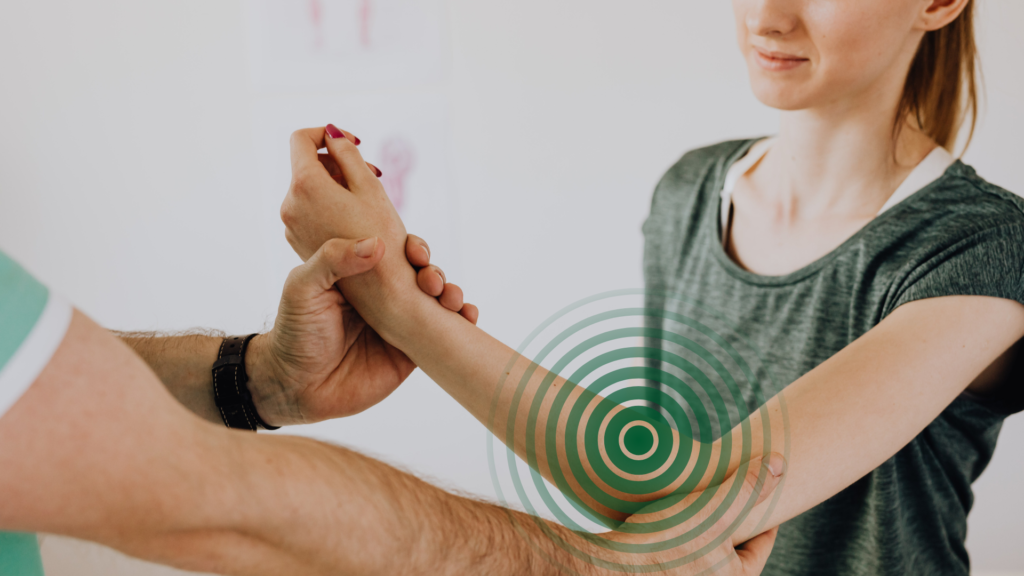
Pain, stiffness, headaches, sluggish digestion, low energy. Sometimes these feel connected, but no single cause stands out. That can be frustrating when you just want to know what is going on and what might help.
Osteopathic care looks at how your body works as a whole. It considers how your structure, movement, circulation, and nervous system function together, not just where the pain shows up. This guide walks through the conditions and symptoms osteopathic treatment may support, when it makes sense, and when you need a medical assessment instead.
At Vitality BioMed in Calgary, our approach is root-cause focused and holistic, combining hands-on care with supportive therapies.
Table of Contents
What Conditions Can an Osteopath Treat?
An osteopath can help treat many movement-related, pain-related, and function-related concerns by using hands-on techniques to improve mobility, alignment, circulation, and nervous system balance. Treatment commonly supports back and neck pain, joint stiffness, posture issues, headaches, sports injuries, pregnancy discomfort, and some functional concerns tied to breathing, digestion, and stress.
But osteopathic care does not replace emergency care or medical treatment for serious disease. It works best as part of a broader plan.
Muscle, joint, and mobility concerns
Most people book an osteopath for aches and stiffness. Common reasons include:
- Back pain and neck pain
- Shoulder tension and joint stiffness
- Hip discomfort and knee pain
- Ankle stiffness and reduced mobility
- Recurring tightness that keeps coming back
Functional and whole-body concerns
Osteopathic treatment may also support symptoms connected to body mechanics and nervous system regulation, such as:
- Tension headaches and jaw tightness
- Stress-related muscle holding
- Restricted breathing mechanics
- Digestive discomfort linked to tension or mobility
- Fatigue connected to poor recovery
How Can Osteopathic Care Help With Back, Neck, and Shoulder Pain?
Osteopathic care may help back, neck, and shoulder pain by identifying restricted areas, releasing tension, improving joint movement, and addressing compensation patterns that keep discomfort returning. Common contributors include posture, prolonged sitting, repetitive strain, old injuries, muscle guarding, and joint restriction.
Hands-on techniques aim to improve range of motion and support better movement, so the same problem stops repeating.
Lower back and hip mechanics
The lower back, pelvis, and hips work as one unit. Pelvic imbalance, tight hip flexors, sacroiliac discomfort, and glute tension often combine to increase strain. Our blog on manual osteopathy in Calgary lists low back pain, sciatica, and sacroiliac joint dysfunction among the conditions Blaine treats.
Neck tension and desk posture
Screen time takes a toll. Forward head posture, upper back stiffness, shoulder elevation, and jaw clenching all build up from long hours at a desk or behind the wheel. Small ergonomic changes often matter as much as the treatment itself.
Shoulder and upper back restriction
Shoulder pain often involves more than the shoulder joint. Rib mobility, thoracic spine movement, rotator cuff strain, and breathing mechanics all play a part. Our manual osteopath service page describes targeted work to restore range of motion and stability.
Can Osteopathic Treatment Support Headaches and Jaw Tension?
Osteopathic treatment may support certain headaches and jaw tension when symptoms link to muscle tightness, neck restriction, posture, stress, or jaw mechanics. Tension-type headaches, cervicogenic headaches, and TMJ-related tightness often share these triggers.
Our blog on osteopath care for headaches, jaw tension, and TMJ explains that these issues respond well to hands-on, root-cause treatment.
Tension patterns through the head and neck
Recurring tightness usually follows a chain: suboccipital tension at the base of the skull, tight upper traps, clenched jaw muscles, and rounded shoulders. Releasing one area often eases the others.
When headaches need urgent care
Some headaches need medical attention right away. Get urgent care if you have:
- A sudden, worst-ever headache reaching peak intensity within a minute
- Confusion, weakness, numbness, or slurred speech
- Vision loss or double vision
- Fever with a stiff neck
- A headache after head injury
- A new headache after age 50
What Sports Injuries and Repetitive Strain Issues May Benefit?
Sports injuries and repetitive strain issues may benefit when treatment focuses on restoring mobility, reducing compensations, supporting tissue recovery, and improving movement patterns. Common concerns include sprains, strains, tendon irritation, runner’s knee, plantar fasciitis, tennis elbow, and shoulder impingement.
But acute fractures, severe tears, or major injuries need medical diagnosis first.
Overuse and workplace strain
Repetitive stress is not just athletic. Typing, lifting, driving, trades work, prolonged standing, and asymmetrical movements all create strain patterns. Tennis elbow, for example, often comes from repetitive gripping rather than sport.
Recovery and performance support
Care can help beyond pain relief. It may support range of motion, movement quality, injury prevention, and recovery routines. Blaine’s work blends structural alignment with functional movement, and integrates with other therapies when appropriate.
Can Osteopathic Care Help During Pregnancy and Postpartum Recovery?
Osteopathic care may help during pregnancy and postpartum by gently supporting mobility, easing strain, and helping the body adapt to changing posture, pelvic mechanics, and recovery demands. Body changes in pregnancy shift how weight loads through the pelvis and spine.
Pregnancy-related discomfort
Common concerns expectant patients search for include:
- Pelvic girdle pain
- Low back strain
- Rib and hip discomfort
- Sciatica-like leg tension
- Breathing restriction as the ribs shift
Postpartum movement and recovery
After birth, relaxin can keep joints vulnerable for months, especially while breastfeeding. Care may address feeding posture, lifting mechanics, sleep-related tension, scar tissue mobility, and a gradual return to activity, with pelvic floor referral when needed.
Can Osteopathic Treatment Support Digestive, Breathing, or Stress-Related Symptoms?
Osteopathic treatment may support some digestive, breathing, or stress-related symptoms when they are influenced by tension, posture, diaphragm mobility, circulation, or nervous system regulation. It is not a cure for internal disease, and persistent symptoms need proper medical assessment.
Diaphragm and rib cage mobility
The diaphragm plays a big role in stress physiology. Shallow breathing, rib restriction, and upper chest tension often reflect stress-related bracing. Easing that tension can improve breathing comfort.
Abdominal tension and digestive comfort
Gentle abdominal techniques may support mobility, circulation, and nervous system balance in select cases. Our service page notes that manual osteopathy can help with digestive or visceral discomfort affecting mobility. Ruling out medical causes comes first.
Stress, sleep, and nervous system balance
Chronic muscle guarding keeps the nervous system in a stress state. Hands-on care can encourage a relaxation response, which may support sleep quality. After sessions, patients often feel lighter and more relaxed.
When Should You See a Medical Doctor Instead?
You should see a medical doctor instead of starting manual treatment when symptoms are severe, sudden, unexplained, worsening, neurological, related to trauma, or suggest a serious medical condition. Osteopathic care is complementary and should never delay necessary medical treatment.
Urgent red flags
Call 911 or seek urgent care for:
- Chest pain or shortness of breath
- Severe trauma or suspected fracture
- Loss of bowel or bladder control
- Progressive weakness or numbness
- Unexplained weight loss or signs of infection
- New pain with a cancer history
- Severe neurological symptoms
Collaborative care and referrals
Osteopathic care works best alongside other providers. That may mean physicians, naturopathic doctors, physiotherapists, or massage therapists when your situation calls for it.
What Should You Expect at Your First Appointment?
At a first appointment, you can expect a detailed health history, movement assessment, hands-on evaluation, individualized treatment, and practical recommendations to support your recovery. Each session starts with an assessment to find imbalances and underlying contributors to pain.
Health history and root-cause assessment
Your practitioner asks about more than the sore spot. Past injuries, stress, sleep, work habits, digestion, and exercise all shape how your body moves and recovers.
Hands-on treatment techniques
Common approaches include soft tissue work, joint mobilization, stretching, myofascial release, and gentle techniques where appropriate. Comfort matters, so pressure is adjusted to you.
At-home support
Treatment works best with daily habits. That might mean mobility exercises, posture tweaks, hydration, breathing practices, and pacing between sessions.
How Does Osteopathic Care Fit Into Holistic Healthcare in Calgary?
Osteopathic care fits into holistic healthcare by addressing movement and structural function while other therapies support nutrition, circulation, inflammation, recovery, and overall wellness. A broader plan may consider pain, energy, hormones, digestion, and immune function together.
Personalized treatment planning
Care is assessment-driven and root-cause focused. Our team builds tailored plans and collaborates so your treatment matches your goals. You can see the full range on our services page.
Complementary therapies for recovery
Depending on your needs, supportive options may include:
- IV Therapy for nutrient support
- Vitamin Injections for targeted supplementation
- Light Therapy for wellness support
- Oxygen Therapy for recovery support
- Lymphatic Drainage Therapy for circulation and fluid movement
Frequently Asked Questions
How many appointments are usually needed?
The number varies depending on your concern, how long it has been present, your overall health, and how you respond to care. Some people feel better within a few sessions, while long-standing issues may take longer.
Is osteopathic treatment painful?
Treatment is usually gentle to moderate in pressure. Tell your practitioner if anything feels uncomfortable so techniques can be adjusted to suit you.
Do you need a referral for osteopathic care?
Many patients book directly without a referral. That said, some insurance plans and complex medical concerns may require guidance or a referral first.
Can children or older adults receive osteopathic care?
Care can be adapted for different ages and needs. Treatment should always match the person’s health status, comfort, and medical situation.
What should you wear to an appointment?
Comfortable clothing that allows movement works best. Assessment may include posture, mobility, and range-of-motion checks.
Your Next Step Toward Easier Movement and Whole-Body Health
Osteopathic care may support many pain, mobility, posture, recovery, and functional concerns as part of a broader holistic plan. It looks at how your whole body works, not just where it hurts.
If you are in Calgary and want to talk through your options, our team can help you build a personalized plan. Explore our manual osteopath services or reach out through our contact page to book with an osteopath and start moving with more ease.