
See how acupuncture may support deeper rest by easing stress, tension and pain. Learn who it may suit, what sessions involve, and when to seek care in Calgary.
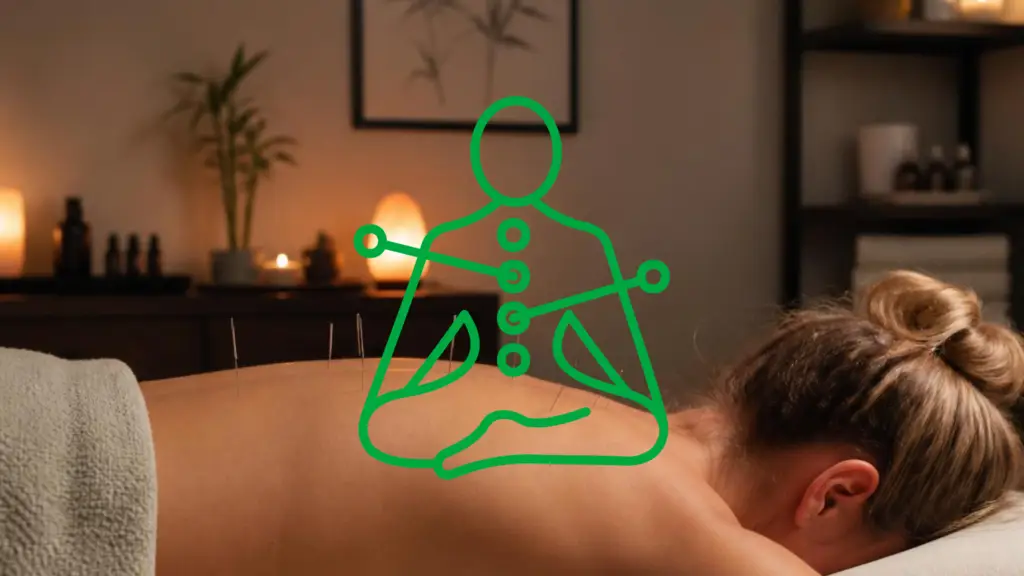
You know the feeling. You lie in bed staring at the ceiling, your mind won’t switch off, and the clock keeps ticking. Or you fall asleep fine, then wake at 3 a.m. and can’t drift back. Some nights you sleep the full eight hours and still wake up drained.
Poor sleep rarely has a single cause. Stress, pain, hormones, digestion, nervous system imbalance, and daily habits all play a part. This guide explains how acupuncture may support better rest, what to expect from care, who it tends to suit, and how our holistic team in Calgary can help build a plan around you.
Table of Contents
Can Acupuncture Help You Sleep Better?
Acupuncture may help improve sleep quality for some people by calming the nervous system, reducing stress and discomfort, and supporting whole-body balance. On our acupuncture service page, we explain that it activates the parasympathetic nervous system, your body’s rest-and-restore mode. That makes it a tool for managing chronic stress, anxiety, and physical symptoms like insomnia.
Results vary from person to person. A 2025 systematic review found acupuncture improved subjective sleep quality compared with sham treatment, though evidence on objective sleep measures is less consistent. It works best when your sleep challenges get assessed as part of a bigger picture, not treated as one isolated symptom.
Why Does Sleep Become Disrupted in the First Place?
Sleep often becomes disrupted when stress, pain, hormones, digestion, lifestyle habits, or nervous system imbalance interfere with your natural sleep-wake rhythm. Insomnia is usually a signal of something deeper. Spotting the pattern matters before you pick a treatment plan.
Stress and nervous system activation
Chronic stress keeps your sympathetic “fight-or-flight” system switched on. That means racing thoughts, shallow breathing, and muscle tension right when you’re trying to wind down. Your body stays alert when it should be settling.
Pain, inflammation, and physical discomfort
Physical symptoms fragment rest. Chronic pain, headaches, tight muscles, and sore joints all make it harder to fall and stay asleep. And it runs both ways: pain disrupts sleep, and poor sleep lowers your pain threshold, creating a self-feeding cycle. Between 50% and 88% of people with chronic pain report sleep difficulties.
Hormones, digestion, and energy regulation
Whole-body factors matter too. Perimenopause, thyroid issues, and cortisol rhythm shifts can all disturb sleep. Reflux, bloating, and blood sugar swings add to the mix. Self-reported sleep problems reach as high as 47% in perimenopause and 60% in menopause. Through our functional medicine approach, we test cortisol patterns, thyroid, sex hormones, and blood sugar markers to find these hidden drivers.
How May This Treatment Support Better Sleep?
Acupuncture may support better sleep by encouraging relaxation, easing physical tension, and helping your body shift out of a stress-dominant state. It’s not a guaranteed cure. But the mechanisms are worth understanding.
Calming the stress response
Acupuncture is thought to stimulate the vagus nerve, a main route to the parasympathetic “rest and digest” response. Studies show it can reduce heart rate and increase heart rate variability. As the parasympathetic “brake” strengthens, the sympathetic “gas pedal” eases off. Many of our patients report feeling deeply calm during and after sessions.
Reducing discomfort that interrupts rest
The needles stimulate your nervous system to release natural pain-relieving chemicals, including endorphins. We regularly treat back pain, neck tension, sciatica, migraines, and joint pain. Easing that discomfort can help break the sleep-pain cycle and address the root cause rather than masking it.
Supporting whole-body balance
Sleep reflects multiple systems working together. It’s not simply a nighttime issue. That’s why we treat it alongside stress, hormones, and pain rather than in isolation.
What Sleep Concerns May Respond Best?
Sleep concerns linked to stress, tension, chronic discomfort, or nervous system imbalance may be more likely to respond well as part of a personalized care plan. Sudden or severe sleep issues need medical assessment first.
Trouble falling asleep
An overactive mind or tense body delays sleep onset. Racing thoughts, stress patterns, and bedtime restlessness keep you wired when you want to relax.
Waking through the night
Fragmented sleep can come from pain, temperature changes, digestion, stress hormones, or your sleep environment. Identifying the trigger points the way forward.
Non-restorative sleep
Sometimes you spend enough hours in bed and still wake unrefreshed. Quality matters as much as quantity. Inflammation, breathing issues, and unmanaged stress can all drain the recovery you should get overnight.
What Happens During a Sleep-Focused Appointment?
A sleep-focused appointment usually includes a detailed health review, discussion of sleep patterns and symptoms, a personalized treatment session, and guidance for next steps. We start with assessment, not guesswork.
Health history and sleep pattern review
Our naturopathic care begins with a thorough review of your health history, medications, and priorities. We look at bedtime, wake time, nighttime waking, stress, pain, digestion, caffeine, and routines. Baseline nervous system testing is simple and pain-free.
Personalized treatment planning
Care is tailored to you. As our FAQ notes, the number of treatments depends on symptom severity. We adjust based on how your body responds.
Comfort, relaxation, and aftercare
Sessions happen in a calm setting. Many people feel relaxed or a little tired afterward, which usually passes. We suggest hydration and gentle evening habits to build on the effect.
Is It Safe for People With Ongoing Health Concerns?
Acupuncture is generally considered low risk when performed by a qualified practitioner, but people with ongoing health concerns should discuss their full medical history first. Individual factors matter.
When to speak with a healthcare provider first
Share your full history if any of these apply:
- Pregnancy
- Blood thinners or bleeding disorders
- Immune compromise or complex chronic illness
- Active skin infections at needle sites
- Pacemakers or other medical devices
- Complex medication use or unexplained symptoms
When sleep issues need medical assessment
Some sleep problems need deeper investigation. See a provider if you have loud snoring, gasping or breathing pauses during sleep, chest pain, sudden insomnia, severe anxiety or depression, restless legs, or extreme daytime sleepiness. Breathing pauses and drowsy driving are urgent red flags.
How Can You Support Better Results at Home?
You can support better sleep by keeping a consistent routine, reducing evening stimulation, managing stress, and creating a bedroom that helps your body wind down. These are general suggestions, not medical advice.
Build a predictable sleep rhythm
Wake at the same time daily, even on weekends. Get morning light within the first hour of waking. Keep meals regular and wind down at a set time each night.
Reduce evening stimulation
Cut caffeine after early afternoon and avoid heavy meals late. Skip intense exercise close to bedtime and step away from work emails. Turn off screens at least an hour before bed.
Create a calming pre-sleep ritual
Try breathwork, gentle stretching, journalling, a warm bath, or quiet reading. Keep a cool, dark, quiet room. If sleep doesn’t come within about 20 minutes, get up and do something calming.
How Does a Holistic Sleep Plan Work at Vitality Biomed?
At Vitality Biomed, a holistic sleep plan looks at the root causes of poor rest and may combine natural therapies, advanced testing, and personalized recommendations. This sits within our Bioregulatory Medicine model, which treats the root cause of symptoms rather than the symptoms alone.
Root-cause assessment
We map the connections between your hormones, gut health, immune function, metabolism, and genetics. Health history, symptoms, lifestyle, and testing where appropriate all feed into a plan built for you.
Complementary therapies that may support sleep
Several of our services can complement acupuncture:
- Light therapy for sleep disruption and nervous system dysregulation, with many patients noticing better sleep quality within weeks
- Sound therapy and AVE to ease anxiety and improve sleep
- Oxygen therapy, listed as beneficial for insomnia
- IV therapy and vitamin injections for nutrient support where appropriate
- Lymphatic drainage therapy as part of broader wellness planning
Personalized care from an integrative team
We don’t treat acupuncture as a standalone service. Dr. Cooper integrates needle therapy into broader plans that may include naturopathic care, massage therapy, and manual osteopathy. Our team brings together conventional and alternative training, so you’re not choosing between two approaches.
Frequently Asked Questions
How many sessions might someone need for sleep support?
The number varies by the person, the cause of sleep disruption, symptom severity, and how your body responds. Milder cases often need less frequent care, while chronic issues may need more. Your plan gets adjusted as we go.
Can natural therapies replace sleeping pills?
Don’t stop or change prescribed medication without medical guidance. Natural therapies may be discussed as part of a broader sleep support plan, alongside your existing care rather than instead of it.
Is it normal to feel tired after a session?
Yes, some people feel relaxed or sleepy afterward, which is usually temporary. Unusual or concerning symptoms should be raised with your practitioner.
Can poor sleep affect pain and inflammation?
Poor sleep can heighten pain sensitivity, worsen inflammation, and disrupt mood and energy regulation. That’s why sleep matters in whole-body care and gets treated alongside other concerns.
Should I track my sleep before an appointment?
Yes, tracking bedtime, wake time, nighttime waking, caffeine, stress, pain, and energy helps the practitioner spot patterns. A few days of notes gives a clearer starting point.
Restful Nights Begin With Root-Cause Care
Sleep problems are usually multifactorial. When you address stress, pain, hormones, digestion, and nervous system balance together, rest often improves. Acupuncture can be one part of that plan, working best alongside broader care.
If you’re in Calgary and want to explore a personalized sleep-focused plan, reach out to our team or browse our full list of services. Better nights can start with understanding what’s keeping you awake.