

Comparing dry needling vs acupuncture, and the goals for each style of therapy. Understand the differences and why one might serve your recovery needs better.
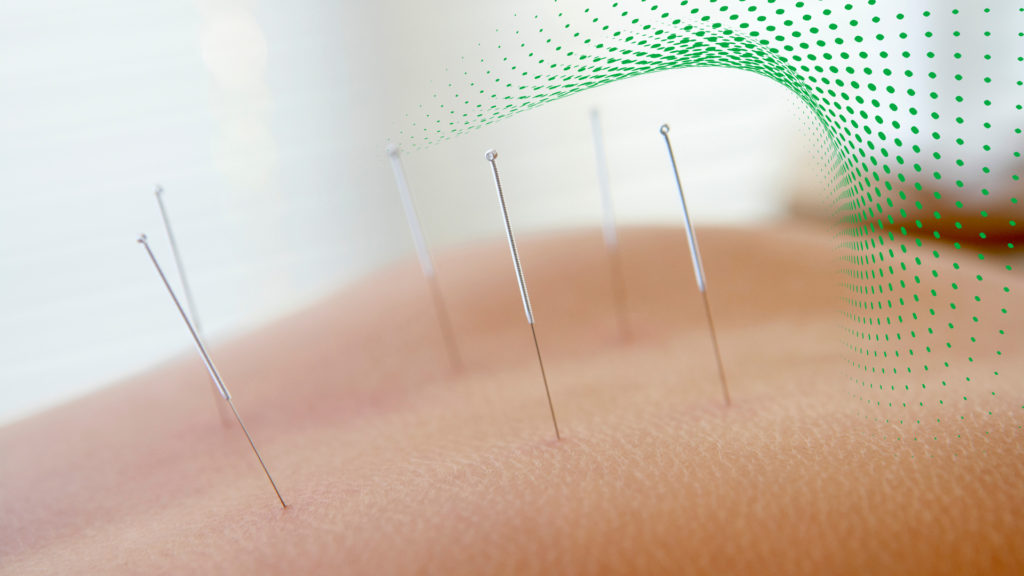
You walk into a clinic with a sore neck and someone mentions needles. But which kind? Two therapies use thin needles and look almost identical from the outside, yet they work in different ways for different reasons.
This is a practical guide to dry needling vs acupuncture. You will learn how they differ, their pros and cons, common uses, and how to decide what fits your goals. One thing up front: Vitality BioMed in Calgary focuses on holistic, root-cause care and does not offer dry needling. Our focus is acupuncture and complementary wellness services.
Table of Contents
How Is Dry Needling vs Acupuncture Different?
Dry needling generally targets tight muscles and trigger points, while acupuncture uses specific points to support whole-body balance, pain relief, and overall wellness. Dry needling comes from Western anatomy and neuroscience. Acupuncture is rooted in Traditional Chinese Medicine and treats the body as a connected system.
Both use fine, stainless-steel needles much thinner than injection needles. But the training, philosophy, and goals behind them are not the same.
Different treatment philosophies
Dry needling focuses on local muscle dysfunction. A practitioner targets a specific knot or tight band to release tension in that spot.
Acupuncture takes a broader view. Traditional Chinese Medicine sees your physical, emotional, and energetic health as connected, so treatment may address pain, stress, digestion, hormones, and immune support together, not one muscle at a time.
Different point selection methods
Dry needling selects points based on trigger points, tender bands, and muscle referral patterns. The needle goes where the muscle dysfunction lives.
Acupuncture selects points along meridians based on patterns, symptoms, and individual assessment. A tension headache might trace back to liver Qi stagnation, while chronic back pain might connect to kidney energy deficiency, which shapes where needles go.
What Is Dry Needling Used For?
Dry needling is most often used for muscle-related pain, tightness, trigger points, and movement restrictions. Common uses include sports-related tension, neck and back discomfort, myofascial pain, and mobility limitations.
In Canada, trained physiotherapists, chiropractors, and other regulated practitioners perform dry needling depending on provincial rules. To be clear: Vitality BioMed does not offer dry needling. We focus on acupuncture within a holistic care model.
Potential benefits of dry needling
- Focused release of a specific tight muscle or knot
- Improved range of motion in the treated area
- Short-term reduction in local discomfort
- Support alongside a physical rehabilitation plan
One study found that patients reported improved pain in about 73.8% of treated body regions and improved mobility in 70.6%.
Possible drawbacks of dry needling
- Temporary soreness and bruising after treatment
- Discomfort during the session, sometimes a muscle “twitch response”
- Response varies from person to person
- Limited scope for systemic issues like stress, sleep, or digestion
What Is Acupuncture Used For?
Acupuncture is used to support pain relief, nervous system balance, stress reduction, digestion, sleep, and broader whole-body wellness. It works by inserting ultra-thin needles into points where Qi flows, prompting your body to activate its own healing response.
Treatment is individualized. At Vitality BioMed, care combines natural treatments, functional assessment, and personalized health planning rather than treating one spot in isolation.
Whole-body assessment
Practitioners consider your symptoms, lifestyle, stress, energy, sleep, digestion, and health history. We believe symptoms are messages from the body, so the goal is to find the real reasons behind what you feel, not just mask discomfort.
Support for pain and tension
Acupuncture can support muscle tension, chronic pain patterns, headaches, jaw tension, and back and neck discomfort. The needles stimulate the nervous system to release natural pain-relieving chemicals, including endorphins and enkephalins. Results vary by person.
Support beyond pain
Acupuncture activates the parasympathetic nervous system, your rest-and-restore mode. That makes it a tool for stress, sleep quality, digestive function, menstrual wellness, immune resilience, and general relaxation. Many patients report feeling calm during and after sessions.
Which Option Is Better for Pain Relief?
The better option depends on whether your pain is mainly local and muscular or part of a broader whole-body pattern. When comparing dry needling vs acupuncture for pain, the cause matters more than the technique itself.
Local muscle pain patterns
Dry needling may be considered when discomfort ties mainly to trigger points, sports strains, tight bands, or rehabilitation. If your pain is local and muscular, talk with a qualified practitioner who offers that technique.
Chronic or complex pain patterns
The holistic approach Vitality BioMed focuses on may suit pain linked with stress, poor sleep, digestive concerns, hormones, immune challenges, or long-term inflammation. When pain is part of a bigger picture, whole-body assessment tends to add more value.
What Are the Pros and Cons of Each Approach?
Both approaches can have benefits, but dry needling is usually more muscle-specific while the holistic approach is broader and more individualized. The best choice depends on assessment, goals, comfort level, and provider qualifications.
Dry needling pros
- Focused muscle work on a specific area
- Possible fast local release
- Useful within physical rehabilitation contexts
Dry needling cons
- Can feel uncomfortable during treatment
- May not address systemic contributors to your symptoms
- Often needs pairing with other therapies for lasting results
Holistic needle therapy pros
- Whole-person assessment, not just the painful spot
- Supports multiple body systems at once
- Pairs well with other natural therapies
- Personalized treatment planning
Holistic needle therapy cons
- May require multiple sessions
- Effects can vary between people
- Some people dislike needles
- Not a replacement for urgent medical care
Why Does Vitality BioMed Focus on a Holistic Approach Instead of Dry Needling?
Vitality BioMed focuses on holistic care because many symptoms connect to broader patterns in the body, not just isolated muscle tension. We do not offer dry needling. Our model centres on root-cause, personalized healthcare led by a team with conventional and integrative expertise.
Personalized care planning
We start with a detailed health history, lifestyle review, and any initial testing. From there we build a plan that may include acupuncture, naturopathic medicine, and other supportive therapies, adjusting as your body responds.
Complementary wellness services
Acupuncture rarely stands alone in our care. Your plan may draw on IV Therapy, vitamin injections, light therapy, oxygen therapy, lymphatic drainage, and electromagnetic therapy. See the full list on our Services page.
Integrative medical expertise
Our team blends naturopathic, functional, and conventional perspectives. Dr. Cheryl Cooper, ND, holds certifications in acupuncture and more, and Dr. Diana Craciunescu, MD, CFPC, leads our functional medicine work. Meet the full team here.
How Do You Choose the Right Therapy for Your Goals?
Choose the right therapy by matching your symptoms, health history, goals, and comfort level with a qualified provider’s assessment. Consider whether your concern feels local or systemic, your comfort with needles, your medications, pregnancy status, and immune health. Book a consultation rather than self-diagnosing.
Questions to ask yourself
- Where is the pain, and how long has it been there?
- What makes it better or worse?
- Are stress, sleep, digestion, or hormones involved?
- Does the issue feel local or whole-body?
Questions to ask a provider
- What is your training and licensing?
- What will the session feel like?
- How many visits might I need?
- What safety considerations apply to me?
- How does this fit with my other care?
Frequently Asked Questions
Does dry needling hurt more than holistic needle-based treatment?
Dry needling may feel more intense because it often targets tight trigger points and can cause a twitch response. The sensation of holistic needling is usually gentler, though it varies from person to person.
Can you combine needle-based therapies with other wellness treatments?
Yes, many people combine needle-based care with supportive therapies like IV therapy or manual work. The plan should be personalized by a qualified healthcare provider who understands your full health picture.
How many sessions do people usually need?
The number varies based on the condition, severity, health history, and goals. An assessment is the best starting point, since some concerns respond in a few visits and others need a longer plan.
Is needle-based treatment safe for everyone?
It is generally well tolerated when performed by a qualified practitioner. Some people need extra caution due to pregnancy, bleeding concerns, certain medications, infection risk, or complex medical conditions, so check with a professional first.
Take the Next Step Toward Root-Cause Wellness
Here is the short version of dry needling vs acupuncture: dry needling is more muscle-specific, while Vitality BioMed focuses on a broader, root-cause approach. We do not provide dry needling, and our care centres on personalized, holistic acupuncture.
If you are in Calgary, explore our services or book a consultation through our Contact page to talk through whether our approach fits your goals.