

See how puffiness, fatigue, slow gut, dull skin and low immunity hint at slow flow. Learn safe ways to support lymphatic drainage and know when to seek care.
You wake up feeling puffy. Your legs feel heavy by mid-afternoon. You’re tired even after a decent sleep, and your digestion just feels… off. Nothing is obviously wrong, but your body doesn’t feel quite right either. Sound familiar?
These kinds of vague, hard-to-pin-down symptoms can sometimes point to your lymphatic system needing a bit more support, a process often aided by lymphatic drainage. Your lymphatic system handles fluid balance, immune defence, and the removal of cellular waste. When it’s running well, you barely notice it. When it isn’t, you can feel it in ways that are easy to dismiss or chalk up to stress.
Here are five signs your lymphatic system may be asking for attention, and what you can do about it.
Table of Contents
What Your Lymphatic System Does for Whole-Body Wellness
Your lymphatic system is a network of vessels, nodes, and organs that moves a fluid called lymph through your body. It clears cellular waste, supports your immune response, helps balance fluid levels, and transports dietary fats and fat-soluble vitamins from your gut into your bloodstream.
Unlike your circulatory system, there’s no heart pumping lymph around. Lymph flow depends on movement, breathing, hydration, and muscle contraction. That means your daily habits have a direct effect on how well this system functions.
Why Lymph Flow Can Become Sluggish
A lot of everyday factors can slow lymphatic movement. Sitting for long periods, not drinking enough water, chronic stress, poor sleep, inflammation, and recovery from surgery or illness can all play a role. Even tight clothing that restricts movement around the groin, waist, or underarms can interfere with flow. Your lymphatic system is sensitive to how you live, not just how you feel.
Sign 1: You Often Feel Puffy, Swollen, or Heavy
Mild puffiness in the face, hands, ankles, or legs is one of the more recognizable signs that lymph flow may need support. You might notice your rings feel tighter, your socks leave marks, or your limbs feel heavier than usual by the end of the day.
The lymphatic system helps regulate fluid balance throughout your body. When it’s not functioning well, fluid can accumulate and create that swollen, stagnant feeling. Every day, roughly 3 litres of fluid that doesn’t get reabsorbed by your blood vessels needs to be picked up by the lymphatic system — so even small disruptions can add up.
That said, sudden swelling, swelling in one limb only, pain, warmth, redness, or any swelling that comes with shortness of breath or chest pain needs prompt medical assessment. Don’t try to manage those symptoms on your own.
What May Help Support Fluid Movement
Gentle walking, stretching, and deep diaphragmatic breathing can all encourage natural lymphatic drainage. Research shows that deep breathing can produce a meaningful reduction in limb volume and swelling, with effects lasting at least 30 minutes. Staying hydrated and elevating your legs when resting can also help. For persistent swelling, get a professional assessment before trying anything more intensive.
Sign 2: You Feel Tired, Foggy, or Sluggish
When your body’s natural clearance systems feel overburdened, some people notice fatigue, a heavy feeling, or difficulty concentrating. Your lymphatic system plays a role in removing waste and supporting immune function, so when it’s sluggish, your body may be working harder than it should to keep things running.
But fatigue and brain fog have many possible causes: nutrient deficiencies, hormone imbalances, chronic stress, poor sleep, or underlying immune challenges. It’s rarely just one thing. Assuming it’s just a sign that you need lymphatic drainage would miss the bigger picture.
When Low Energy Deserves a Closer Look
If you’re dealing with ongoing fatigue, dizziness, unexplained weight changes, or symptoms that keep getting worse, that’s worth investigating properly. At Vitality BioMed, our team takes a root-cause approach to energy concerns, looking at the full picture rather than treating symptoms in isolation. That includes naturopathic and functional medicine perspectives that can help identify what’s actually driving how you feel.
Sign 3: Your Digestion Feels Slow or Bloated
Your lymphatic system is deeply connected to your gut. Specialized lymph vessels in the small intestine called lacteals absorb dietary fats and fat-soluble vitamins before they enter your bloodstream. More than 50% of daily lymph formation happens in the GI tract, and roughly 70% of your immune system lives in your gut, much of it supported by lymphatic tissue.
Bloating, sluggish digestion, or feeling heavy after meals can have many causes, including food sensitivities, low gut motility, stress, or microbiome imbalance. Lymphatic support is one possible part of a broader strategy, not a standalone fix.
Simple Habits That Support Digestion and Flow
Eating mindfully, moving regularly, drinking enough water, getting fibre from whole foods, and practising gentle abdominal breathing are all low-risk ways to support both digestion and natural lymphatic drainage. They won’t resolve serious digestive issues on their own, but they’re a reasonable starting point.
Sign 4: Your Skin Looks Dull, Congested, or Easily Irritated
Your skin is connected to your immune and detoxification pathways. When your body’s own lymphatic drainage is sluggish, fluid can accumulate in tissues, which may show up as facial puffiness, dullness, breakouts, or a congested appearance. The skin has its own immune network, and it relies on healthy circulation and fluid movement to function well.
That said, skin symptoms are rarely caused by one thing. Hormones, allergies, nutrition, stress, and skincare products all play a role. If your skin has been consistently dull or reactive, it’s worth looking at what’s happening internally, not just what you’re putting on it.
Looking Beyond the Surface
A personalized wellness plan that addresses nutrition, hydration, stress, and appropriate therapies will do more for your skin than any single product or treatment. At Vitality BioMed, we look at the internal factors that affect how your skin looks and feels, and build a plan around your specific needs rather than a generic protocol.
Sign 5: You Seem to Recover Slowly or Feel Run Down Often
Your lymph nodes and lymphatic tissues are central to immune surveillance. They filter lymph fluid, house immune cells, and help your body identify and respond to threats. When natural lymphatic drainage is sluggish, immune activity can slow with it.
If you often feel run down, take longer than expected to bounce back after illness or physical exertion, or notice body aches and tenderness around lymph node areas, your lymphatic system may be part of the picture. But swollen lymph nodes that are hard, don’t move, persist for more than two to four weeks, or come with fever, night sweats, or unexplained weight loss need medical evaluation. The Mayo Clinic recommends seeing a doctor promptly for these kinds of symptoms.
Immune Support Is Not One-Size-Fits-All
Immune resilience is shaped by sleep, nutrition, stress, gut health, nutrient status, and inflammation levels. At Vitality BioMed, we offer individualized healthcare plans that may include IV Therapy to support detoxification and immune function, Vitamin Injections to address deficiencies like B12 that affect energy and mental clarity, and Oxygen Therapy to support energy and reduce brain fog. These are used when clinically appropriate, not as a blanket recommendation.
How Lymphatic Drainage May Support Your Body
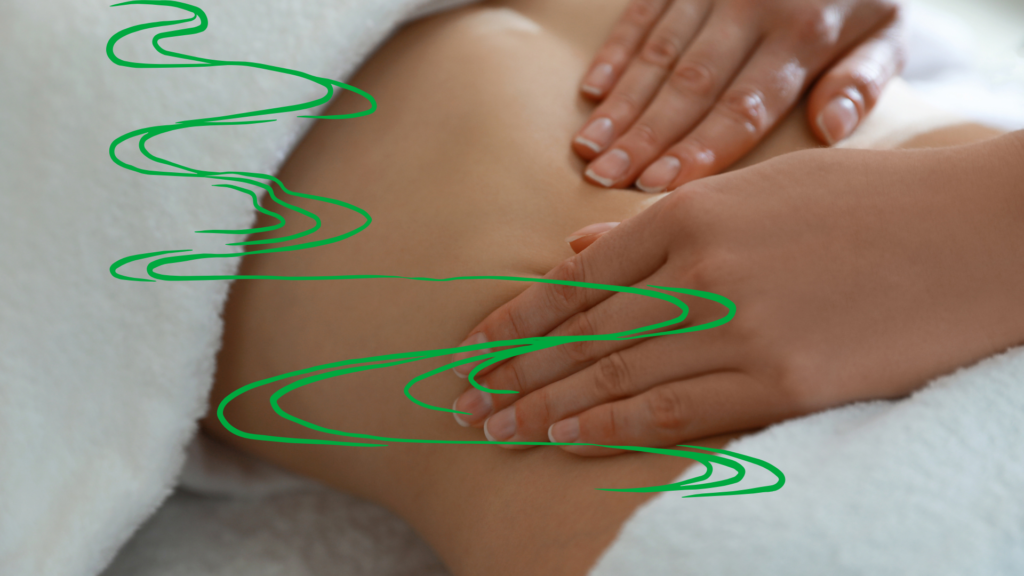
Lymphatic drainage is a gentle, non-invasive therapy designed to encourage lymph flow and support the body’s natural fluid movement. It uses light pressure and specific techniques to move stagnant lymph fluid toward the lymph nodes, where it can be processed and cleared.
It may be worth considering if you’re dealing with persistent puffiness, post-recovery sluggishness, a heavy or stagnant feeling, or immune concerns, depending on your individual health status. At Vitality BioMed, we offer both Manual Lymphatic Drainage and Lymphatic Drainage Therapy, including Flowpresso, which uses compression and infrared heat to support circulation. We typically recommend starting with one session per week for three weeks to give your body time to respond.
What to Expect From a Holistic Assessment
A good assessment looks at more than just one symptom. Our team at Vitality BioMed reviews your symptoms, health history, lifestyle, digestion, sleep, inflammation patterns, and immune concerns before making any recommendations. The goal is to understand what’s driving your symptoms, not just address them on the surface.
When to Seek Medical Guidance Before Trying Lymphatic Drainage Support
Lymphatic support is not appropriate for everyone in every situation. Talk to a healthcare provider first if you have sudden or severe swelling, one-sided leg swelling, chest pain, shortness of breath, an active infection or fever, unexplained lumps, severe pain, known heart or kidney conditions, pregnancy-related swelling, or a history of cancer or surgery involving lymph nodes. When symptoms are new, persistent, or getting worse, professional care comes first.
Help Your Body Feel Clearer, Lighter, and Better Supported
The five signs covered here, puffiness or heaviness, fatigue or brain fog, sluggish digestion, congested skin, and slow recovery or feeling run down, don’t always mean something serious. But they can be your body’s way of signalling that its natural flow and resilience need some attention.
If you’re in Calgary and want to find out whether these or other supportive therapies might be right for you, reach out to the team at Vitality BioMed or take a look at our full list of services. We’ll help you figure out what your body actually needs.