
You feel drained after the flu or a long flight. This guide shows how a glutathione IV plus additional hydration and easy habits help you regain your health.
You got home three days ago. The trip is over, or the worst of the illness has passed, but you still feel off. Tired in a way that sleep doesn’t seem to fix. A bit foggy. Maybe your body aches, or your appetite is still low. This is a familiar experience for a lot of people, and it’s not just in your head.
This post explains why illness and travel can leave you feeling depleted long after the acute phase is done, what glutathione does in the body, and how glutathione IV therapy fits into a personalized recovery plan. We’ll also cover what to expect from IV therapy at Vitality BioMed in Calgary and what you can do at home to support your recovery.
Table of Contents
Why Illness and Travel Can Leave You Feeling Depleted
When your body fights an infection or handles the physical demands of travel, it burns through resources fast. Immune activation, inflammation, disrupted sleep, dehydration, and changes in diet all take a toll. Add in time zone shifts, exposure to crowded environments, alcohol, or caffeine, and the cumulative effect can leave your system running well below normal for days after the fact.
Nearly 75% of adults don’t meet their daily hydration and nutrient needs, which makes recovery harder. When you’re already depleted going in, illness or travel pushes the deficit further.
Common Post-Illness Recovery Challenges
Once the fever breaks or the acute symptoms ease, many people expect to bounce back quickly. But the body’s recovery process takes time. Lingering fatigue is one of the most common complaints, along with brain fog, low appetite, muscle aches, and reduced tolerance for exercise or stress.
These symptoms often reflect the aftermath of immune activation and the oxidative stress that comes with it. Research published in PMC found that elevated oxidative stress and mitochondrial damage can contribute to debilitating fatigue in people recovering from viral illness. If your symptoms are persistent, worsening, or include chest pain, high fever, or shortness of breath, see a healthcare provider promptly.
Common Post-Travel Recovery Challenges
Flying is harder on the body than most people realize. Cabin air humidity often drops below 20%, drier than most deserts, which accelerates dehydration and amplifies inflammatory markers. At cruising altitude, cabin pressure creates a mild state of hypoxia that triggers oxidative stress throughout the body, sometimes within minutes of takeoff.
Jet lag disrupts your sleep-wake cycle and scrambles the immune system’s own circadian rhythm. Studies show long-haul air travel can reduce natural killer cell activity for up to a week after arrival. Add in digestive changes, poor food choices on the road, and the psychological stress of travel, and it’s no surprise that many people return home feeling worse than when they left.
What Is Glutathione and Why Does It Matter?
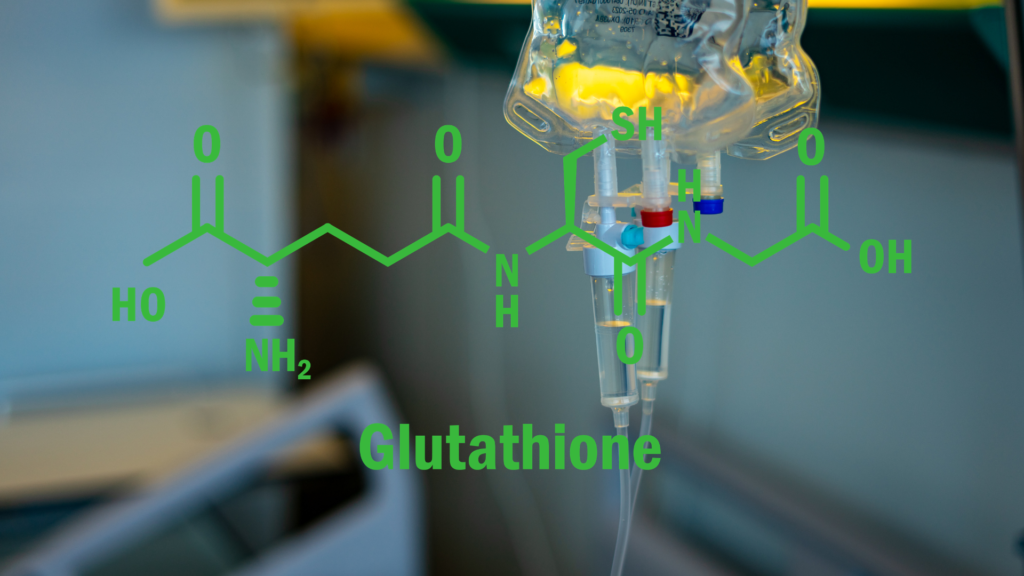
Glutathione is an antioxidant your body produces naturally, made from three amino acids: glutamine, glycine, and cysteine. It’s often called the body’s master antioxidant because it sits at the centre of your cellular defence system, protecting cells from damage caused by free radicals and environmental toxins.
It also supports your liver’s detoxification processes, helps bind and eliminate heavy metals and toxins, and plays a role in activating and maintaining immune cells. The problem is that modern life depletes glutathione faster than your body can produce it. Chronic stress, poor sleep, processed foods, illness, and environmental pollutants all drain your reserves.
Glutathione’s Role in Oxidative Stress
Oxidative stress happens when free radicals outnumber the antioxidants available to neutralize them. This imbalance causes cellular damage and inflammation, and it’s linked to fatigue, weakened immunity, and slower recovery. Illness, travel, poor sleep, and environmental exposures all increase oxidative demand. When glutathione levels drop, you’re more vulnerable to this damage and less able to recover efficiently.
Glutathione and Immune System Support
Glutathione helps regulate immune cell function. It supports T-cell activity, and research published in PMC confirms that glutathione acts as both an antioxidant and a signalling molecule in immune regulation. When T cells multiply to fight infection, they produce more free radicals. Glutathione controls those rising levels to prevent immune cell death.
That said, glutathione is one piece of a broader recovery plan. It’s not a replacement for rest, nutrition, hydration, or medical care when those are needed.
How Glutathione IV May Support Recovery
IV therapy delivers nutrients directly into the bloodstream, bypassing the digestive system entirely. This matters because oral glutathione supplements are largely broken down before they reach your cells, with standard oral forms offering as little as 3–5% bioavailability compared to 100% with IV delivery.
When your appetite is low, your digestion is off, or you’re significantly dehydrated after illness or travel, the IV route means your body actually receives the support being delivered. Protocols should always be customized by a trained healthcare provider based on your specific situation.
Potential Benefits After Illness
After illness, glutathione IV may support antioxidant replenishment, cellular recovery, and immune function. It may also help address the energy deficit that comes from mitochondrial stress during infection. These are potential benefits, not guaranteed outcomes, and they work best as part of a broader recovery approach that includes rest, nutrition, and adequate hydration.
Potential Benefits After Travel
For someone returning from a long-haul flight feeling dehydrated, foggy, and run down, a glutathione IV combined with IV fluids addresses both the hydration deficit and the oxidative stress load from travel. It may help the body return to normal routines faster by supporting cellular repair and immune function that travel tends to compromise.
Who Might Consider This Type of IV Support?
Glutathione IV may be worth exploring if you’re recovering from a recent illness, returning from demanding travel, going through a high-stress period, or simply feeling run down in a way that basic rest isn’t resolving. People with increased oxidative stress or those seeking proactive wellness support also consider it.
That said, suitability varies. Individual assessment matters, and what works well for one person may not be appropriate for another.
When to Speak With a Healthcare Provider First
IV therapy is not appropriate for everyone. You should consult a healthcare provider before considering glutathione IV if you are pregnant or breastfeeding, have kidney or liver disease, complex medical conditions, known allergies, or take medications that may interact with treatment.
And if you’re experiencing severe symptoms, including chest pain, difficulty breathing, a high fever, or signs of serious dehydration, those require urgent medical attention, not a wellness IV.
What to Expect From IV Therapy at Vitality BioMed
Vitality BioMed offers IV therapy in Calgary as part of a broader holistic healthcare model focused on root-cause care. The clinic combines natural treatments with advanced healthcare tools to build personalized plans, rather than applying the same protocol to everyone who walks in.
You can explore the full range of services at the Vitality BioMed services page.
Personalized Assessment Before Treatment
Every IV therapy treatment at Vitality BioMed starts with a consultation. The clinical team, which includes naturopathic and functional medicine perspectives from Dr. Cheryl Cooper ND and Dr. Diana Craciunescu MD, reviews your health history, current symptoms, wellness goals, medications, and overall health status before recommending anything.
This step screens for contraindications, including allergies, medications, and conditions that could affect safety or suitability. It’s a non-negotiable part of the process, and it’s what separates a clinical IV program from a one-size-fits-all drip bar.
Combining IV Therapy With Other Recovery Supports
Glutathione IV works well alongside other therapies depending on what your body needs. At Vitality BioMed, this might include vitamin injections for energy and immune support, oxygen therapy for brain fog and burnout, infrared sauna or light therapy for detoxification and sleep support, or lymphatic drainage to support circulation and immune function. What gets recommended depends on your individual situation.
Simple Ways to Support Recovery Alongside Treatment
Professional care works better when your daily habits support it. Rest, consistent hydration, protein-rich meals, gentle movement, and limiting alcohol after illness or travel all matter. So does a gradual return to exercise rather than jumping back into intense training before your body is ready.
Nutrition and Hydration Basics
Prioritize fluids first. Water helps flush toxins and supports every cellular process, including antioxidant production. If you’ve been sweating through a fever or sitting on a long flight, electrolyte replenishment through broth, coconut water, or electrolyte drinks can help.
For food, focus on antioxidant-rich options that also support glutathione production: cruciferous vegetables like broccoli and Brussels sprouts, sulfur-rich foods like garlic and onions, leafy greens, berries, citrus fruits, and lean proteins that supply the amino acids your body needs to rebuild.
Sleep and Nervous System Recovery
Your body produces and recycles glutathione during deep sleep, so sleep quality directly affects how well you recover. Keep a consistent bedtime and wake time, even after travel. Morning light exposure helps reset your circadian rhythm after crossing time zones. Reducing screen time before bed, keeping your room cool, and using blackout curtains all support deeper sleep. Even 10–15 minutes of gentle breathing or meditation can help lower stress hormones and preserve antioxidant reserves.
Feel More Like Yourself After Illness or Travel
That lingering “not quite right” feeling after illness or travel usually comes down to a combination of immune demand, dehydration, sleep disruption, and oxidative stress. It’s real, and it’s worth addressing rather than just waiting it out.Personalized care makes a difference here. If you’re in Calgary and want to explore whether glutathione IV is a good fit for where you’re at right now, contact Vitality BioMed to book a consultation. The team will assess your situation and help you figure out what kind of support actually makes sense for your recovery goals.